



Fungal Acne and K-Beauty Solutions


Fungal Acne And K-Beauty Solutions
It’s the skincare buzzword that keeps popping up on Reddit, TikTok and beauty forums, but what actually is fungal acne, how do you know if you have it and what should you avoid?
Today, we’re breaking down fungal acne, the symptoms to look out for and some Korean skincare options that may help support your skin while you seek proper medical treatment.
What Is Fungal Acne?
Fungal acne, also known as Malassezia folliculitis or Pityrosporum folliculitis, is not traditional acne.
While regular acne is usually linked to excess oil, bacteria and clogged pores, fungal acne is caused by an overgrowth of yeast around the hair follicles.
If you have small itchy bumps that refuse to budge, seem to appear in clusters and get worse in hot, humid weather, fungal acne may be a possibility.
Important: fungal acne can look very similar to bacterial acne, which is why self-diagnosis is risky. If you suspect fungal acne, it’s important to speak with a doctor or dermatologist for proper diagnosis and treatment.
The yeast that contributes to fungal acne naturally exists on the skin already. Problems usually arise when something disrupts the skin environment and allows that yeast to overgrow.
Hot & Humid Weather
Warm, sweaty environments can create ideal conditions for yeast overgrowth.
Weakened Immune System
Illness, stress or medications can make it harder for your body to keep yeast balanced.
Diet
Yeast and fungi thrive on carbohydrates and sugar, which may contribute to flare-ups for some people.
Very Oily Skin
Excess oil and heavy skincare products can create an environment fungal acne loves.
How To Know If It Might Be Fungal Acne
Although fungal acne and bacterial acne can look similar, there are a few common differences people often notice.
Itchiness
Fungal acne is usually itchy, whereas traditional acne rarely causes itchiness.
Uniform Bumps
The bumps are often very similar in size and appear clustered together.
Location
Fungal acne can appear on the chest, shoulders, back and arms as well as the face.
Resistance To Acne Products
Traditional acne treatments sometimes make fungal acne worse rather than better.
How To Treat Fungal Acne
Because fungal acne is caused by yeast rather than bacteria, it usually requires a completely different treatment approach.
Your doctor or dermatologist may recommend topical or oral antifungal medications depending on the severity of the condition.
While you are seeking medical advice, many people also switch to fungal-acne-safe skincare products to avoid aggravating the skin further.
Be careful with heavy, oily skincare. Rich creams and oily products can sometimes worsen fungal acne because Malassezia yeast thrives in oily environments.
Fungal Acne Safe K-Beauty Products
If your doctor has diagnosed fungal acne, these Korean skincare products may be worth considering while simplifying your routine.
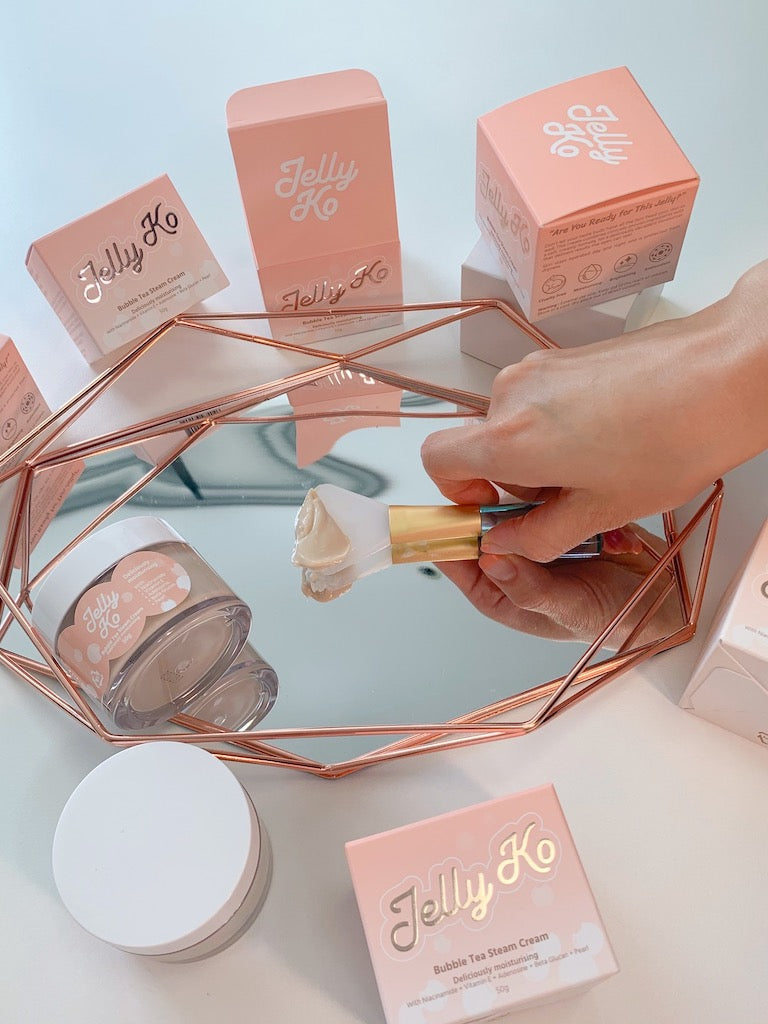
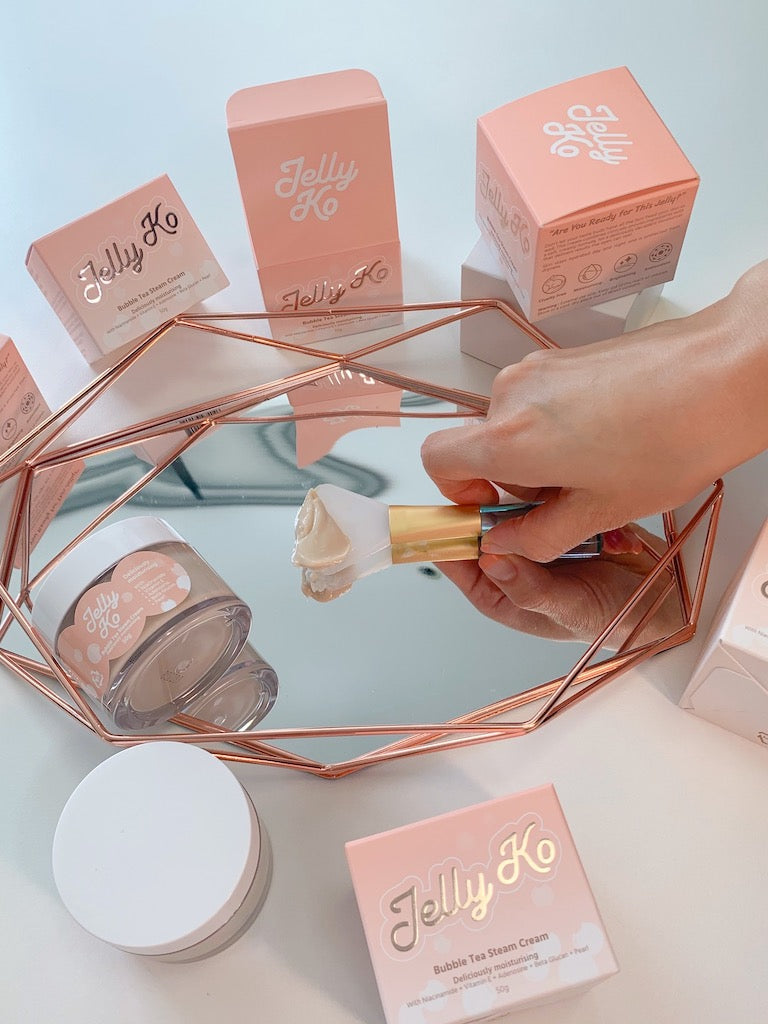
Jelly Ko Cinnamon Toast Sugar Scrub Foam
Jelly Ko Cinnamon Toast Sugar Scrub Foam offers a customisable cleansing experience to help clear away dead skin cells, oil and buildup without relying on harsh physical scrubbing.
Jelly Ko Cherry Blossom Sleeping Mask
If your current moisturiser feels very heavy or greasy, consider something more balanced like Jelly Ko Cherry Blossom Sleeping Mask, which is fungal-acne safe and designed to hydrate without feeling suffocating on the skin.

How To Check Whether Your Products Are Fungal Acne Safe
It can be surprisingly difficult to identify whether a skincare product is fungal-acne safe just by reading the ingredients list yourself.
Fortunately, there are now databases that cross-check ingredients against known fungal acne triggers.
One of the most popular resources is Folliculitis Scout, which allows you to search products and ingredients directly.
Remember: skincare formulas change frequently. Always double check the latest ingredients list, especially if you are highly sensitive or actively managing fungal acne flare-ups.
Want To Learn More About Fungal Acne?
Tune into The Korean Beauty Show for a deeper breakdown of fungal acne, common triggers and how to approach skincare when your skin barrier is struggling.
STYLE STORY — Your Go-To For K-Beauty Since 2014
Previous

Korean Beauty’s Blurring Technique


Fungal acne is treated differently to bacterial acne, so it's important not to self-diagnose.
- STYLE STORY
Leave a comment
Comments will be approved before showing up.