


Olive Young Launched in the US and People Are P*ssed


Olive Young Launched in the US and People Are P*ssed
Olive Young's long-awaited US expansion has finally arrived and the response has been... overwhelmingly negative.
The problem? Many K-Beauty fans expected Olive Young Korea but what they got was Olive Young USA...
In this episode of The Korean Beauty Show, we’re unpacking why shoppers are frustrated, whether celebrity endorsements are changing the face of Korean beauty, what Korea’s regulators are doing about increasingly aggressive skincare marketing claims and what all of this means for the future of the industry.
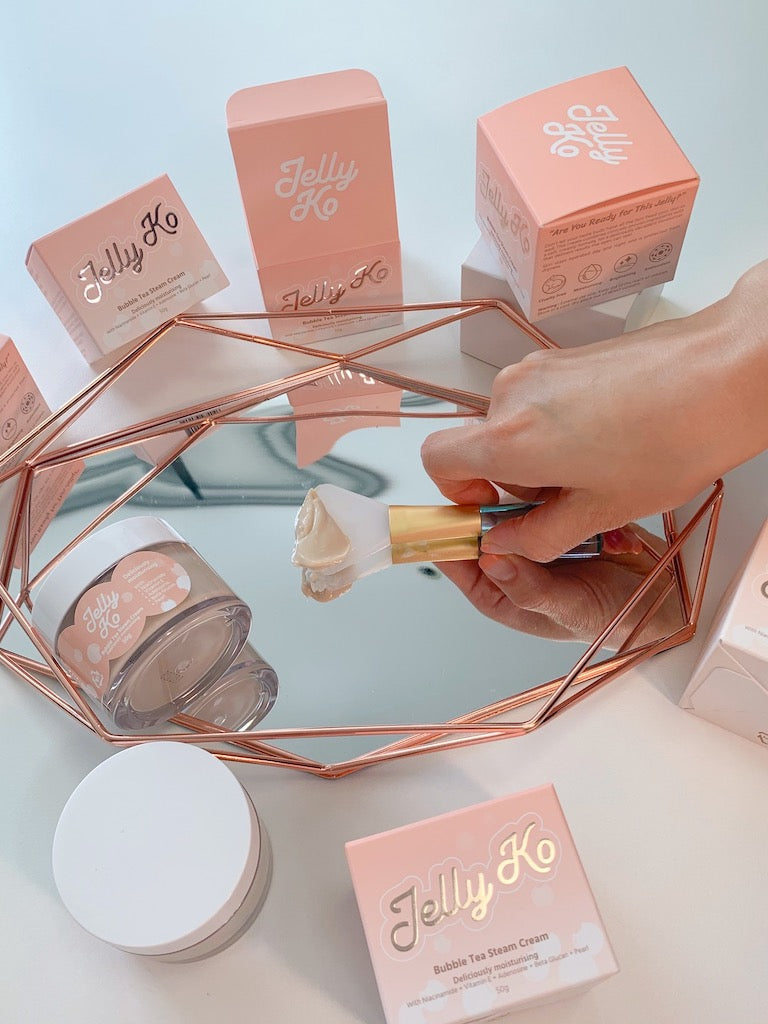
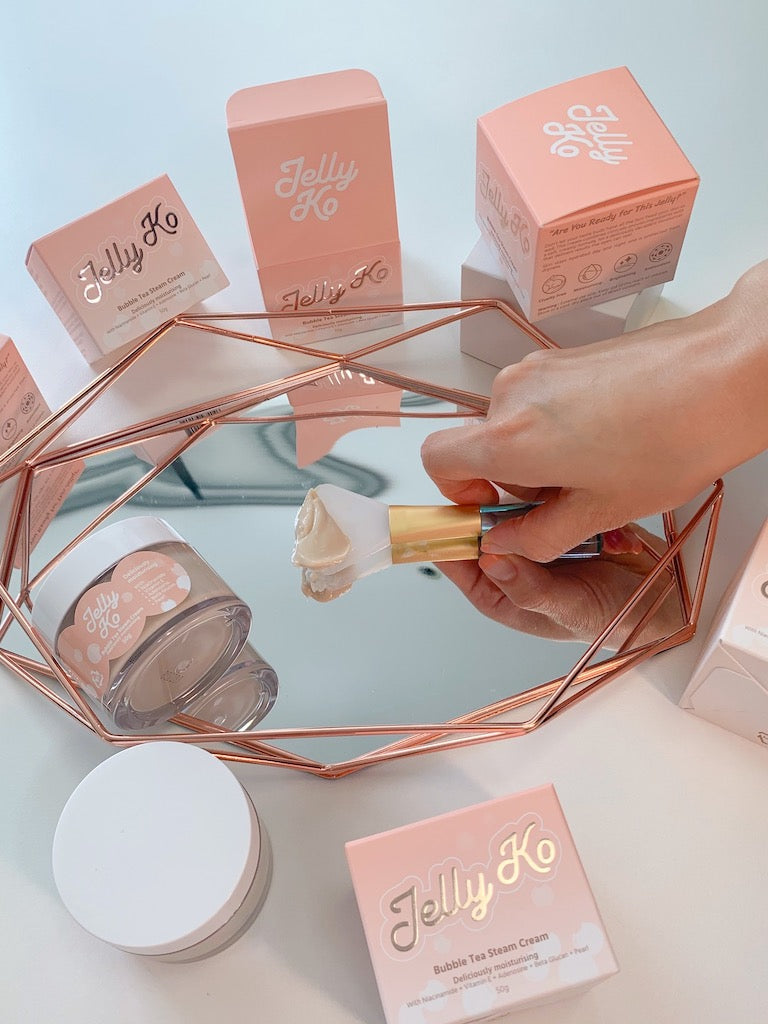
If you're new to the show, welcome. I’m your host, Lauren Lee, founder of Korean beauty brand Jelly Ko and industry consultant at STYLE STORY.
Olive Young USA Has Arrived. So Why Is Everyone Angry?
For years, international K-Beauty fans have been asking for easier access to Olive Young's vast selection of Korean skincare, makeup and wellness products.
So when Olive Young officially launched its US platform, many consumers expected a local version of the Korean shopping experience.
Instead, social media quickly filled with complaints about missing brands, missing products, higher prices and a much smaller assortment than shoppers were expecting.
America wanted Olive Young Korea. What they got was Olive Young USA.
The reaction to the first store launch has sparked a broader conversation about what consumers expect when Korea's most successful beauty retailer expands overseas.
For years, Olive Young has been one of the most influential forces in K-Beauty retail. But global consumers today are incredibly well-informed. They know which brands are trending in Korea, which products are sold domestically, and how the Korean shopping experience differs from international markets.
That creates both an opportunity and a challenge.
One important factor is Olive Young's recently announced partnership with Sephora in North America. Several of the brands consumers expected to find in OY USA already have distribution agreements and retail partnerships in place, including with brands like Sephora, making the situation far more complicated than simply copying and pasting the Korean store into the US market.
The other issue is this - international expansion isn’t just about opening stores overseas. Consumers expect the authenticity of the original experience, which is easier said than done when this involves navigating local regulations, distribution agreements, supply chains and commercial realities.
The organic social media response to Olive Young's US launch has been overwhelmingly negative, forcing the company to issue statements, clarifying that they will be including additional products, promotions and reviewing the changes made to membership rewards and tiers.

Kendall Jenner, Anua and the Celebrity Question
Anua's decision to appoint Kendall Jenner as its global ambassador has sparked a surprisingly divided reaction among K-Beauty fans.
Some see it as proof that Korean beauty has officially entered the mainstream. After all, securing one of the world's most recognisable celebrities is a major milestone for any beauty brand.
Others aren't so convinced.
Part of K-Beauty's appeal has traditionally been its focus on formulations, ingredients and product performance rather than celebrity endorsements. For some consumers, the move feels like a shift towards the traditional Western beauty marketing model.
What's particularly interesting is that industry estimates suggest Anua spent somewhere in the vicinity of US$3.5 million and US$4 million on campaigns featuring Kendall Jenner before formally announcing her as the face of the brand.
The question now is whether celebrity-led marketing represents the natural evolution of global K-Beauty or whether it risks losing some of the qualities that made Korean beauty different in the first place.
Of course, Korean beauty brands have always used celebrities as their models and brand ambassadors; Yoona for Innisfree, Song Hye Kyo for Laneige and even Suzy for Anua. The difference is that a lot of these celebrities aren't as instantly recognisable for a western audience as a Kardashian or Jenner.

Dr.G and Medicube Ordered to Suspend Advertising
Two of Korea's biggest skincare brands have found themselves under regulatory scrutiny.
Dr.G and Medicube both received administrative sanctions this year for violations of Korea's Cosmetics Act.
Dr.G's Vita Clear Sun Serum was ordered to suspend advertising after regulators determined that some promotional content differed from the results of its functional cosmetics review.
Medicube's One Day Exosome Pore Ampoule 2000 and One Day Exosome Shot Pore Ampoule 7500 were also ordered to suspend advertising after regulators found expressions that could cause consumers to mistake cosmetics for pharmaceutical products.
The timing is notable.
As ingredient-led marketing around exosomes, PDRN and skin regeneration continues to intensify, Korean regulators appear increasingly willing to crack down on claims that blur the line between cosmetics and medicine.
Both companies have accepted the administrative action and stated they will work to provide consumers with more accurate information moving forward.
For brands operating globally, this is another reminder that ingredient trends may come and go but compliance remains permanent.

APAC Beauty Is Moving Beyond Trends
I recently contributed to the latest APAC Beauty Trends Report from in-cosmetics Asia, sharing my perspective on where the industry is headed next.
My view is that we're moving away from transient trends and closer towards barrier health, slow ageing and products that build loyalty through comfort, consistency and long-term results.
Virality still captures attention. It just doesn't build a sustainable beauty business on its own.
As consumers become more educated and the market becomes more crowded, brands increasingly need to offer something beyond the latest viral ingredient.
The full report is well worth a read if you're interested in where beauty innovation is heading next.
What I've Been Up To
The last few weeks have been incredibly busy.
- Launching Jelly Ko on YesStyle, our biggest retail launch to date
- Attending Cosmobeauty Seoul
- Visiting Indie Beauty Expo Korea
- Manufacturing new products for client brands
- Appearing on Perth radio to discuss K-Beauty ingredients including snail mucin and salmon DNA
- Hosting a Seoul market immersion program for international clients
- Supporting overseas visitors attending Korean beauty exhibitions and trade shows

Question of the Month: Do You Recommend Overnight Sheet Masks?
A listener asked whether overnight sheet masks are worth trying.
My answer is generally no.
That doesn't mean sheet masks are bad. It simply means that leaving them on for longer doesn't necessarily produce better results.
A study published in Scientific Reports in 2022 examined sheet mask wear time and found that using sheet masks for longer than 20 minutes increased the likelihood of dermatitis associated with preservative exposure.
It's important to note that this was a relatively small study involving 175 participants and it wasn't examining whether a single overnight masking session would directly cause dermatitis.
However, the findings align with broader expert recommendations.
Most dermatologists and skincare professionals advise removing sheet masks before they dry out rather than leaving them on for hours.
If your goal is overnight hydration, you're generally better off using a sleeping mask.
Unlike sheet masks, sleeping masks are specifically formulated for prolonged contact with the skin overnight and are designed to support the skin barrier while you sleep.

K-Beauty Product Recommendations of the Week
O'Hui Dual Volume & Serum Mascara
This might genuinely be the best Korean mascara I've ever used.
It provides excellent separation, good volume and impressive staying power while still removing relatively easily at the end of the day.
A rare combination.
Aestura Atobarrier 365 Body Lotion
I originally started using this because I was applying it to my kids.
Eventually, I bought my own because I kept stealing theirs.
It's simple, effective and does exactly what a body lotion should do.
I've personally enjoyed it far more than the APLB body lotion I also recently tried, which I found surprisingly mattifying and drying.
Espoir Strobing Highlighter
A really beautiful highlighter with a flattering glow and a colour that works particularly well for everyday wear.
One of those products that quietly performs without attracting much attention.
Recommendation of the Week
Jelly Ko is currently offering 25% off orders over $100.
If you've been thinking about trying any of our products, now is a great opportunity to do so.
- Free US shipping on domestic orders over $25
- Free Australian shipping on domestic orders over $50
- Free worldwide shipping on orders over $100
Final Thoughts
What's fascinating about the latest K-Beauty news is that every story points towards the same conclusion: namely, that Korean Beauty is becoming a global beauty category rather than a niche export trend.
That brings bigger opportunities, larger partnerships and more mainstream recognition.
But it also brings higher consumer expectations, stricter regulation and growing pressure on brands to compete in the same way as global beauty giants.
Whether it's Olive Young entering the US market, Anua partnering with Kendall Jenner or regulators cracking down on ingredient claims, the message is clear: K-Beauty is entering a new phase of maturity.
And that will shape the industry for years to come.
Connect with Lauren
Affiliate Disclosure
Some of the links we share may be affiliate links. If you choose to purchase through them we may earn a small commission, at no additional cost to you. Thank you for supporting the show.
A Kind Request
If you reference insights, data or research from this episode in your own content, please credit The Korean Beauty Show and tag us where possible.
Watch the Short Version
Want the 60-second version of this story? I broke down the Olive Young USA launch and why so many K-Beauty fans are frustrated in this YouTube Short.
Previous

Korean Beauty’s Blurring Technique


"One important factor is Olive Young's recently announced partnership with Sephora in North America. Several of the brands consumers expected to find in Olive Young USA already have distribution agreements and retail partnerships in place, including with brands like Sephora, making the situation far more complicated than simply copying and pasting the Korean store into the US market."
Lauren Lee, Host of the Korean Beauty Show podcast
Leave a comment
Comments will be approved before showing up.