


Why K-Beauty Is Exploding Globally (From Someone Living and Building a Brand in Korea)


K-Beauty Trends
Why K-Beauty Is Exploding Globally (From Someone Living and Building a Brand in Korea)
By Lauren Lee | Seoul-based K-Beauty Consultant
Most people assume K-Beauty’s global rise is driven by trends like glass skin, snail mucin or viral TikToks.
But after living in Korea on and off since 2011, having worked directly with countless labs, manufacturers and suppliers building my own award-winning skincare brand in addition to many of my clients' brands, I can tell you:
That’s not what’s really driving it.

What I See On the Ground in Korea
Living in Seoul, you realise quickly that Korea operates on a different cycle to the rest of the world. New products are constantly being launched, reformulated, repositioned and re-released. Unlike other countries where retail spaces are designed to drive sales, Korean retail is largely built around discovery and experimentation. Popups and interactive spaces where consumers can actually engage with the brand are usually prioritised over shelves packed with products for sale.
And yet, perhaps paradoxically, what makes a Korean beauty brand succeed on the global stage can sometimes be the opposite of what makes a brand successful domestically in Korea, at least over the long term.
That's because of one fundamental but critical distinction; namely, outside Korea, consumers are not necessarily chasing micro-trends. Instead, they're looking for reliability, consistency and products that are worth finishing and repurchasing.
Over the years I've realised that the gap between how Korea consumes beauty compared to how the rest of the world consumes beauty is where most brands get it wrong, especially when growing globally.

Why K-Beauty Is Growing So Fast Globally
From my experience working across Australia, the US, Europe and the Middle East, the growth of K-Beauty comes down to three key factors:
1. Price to Performance
Korea has one of the most competitive beauty manufacturing ecosystems in the world. Brands can create formulas that feel premium, innovative and effective without the traditional luxury markup and this holds huge appeal among global consumers, many of whom are feeling the pinch in cost of living crises around the world.
In fact, this is one of the biggest reasons global consumers are switching from global beauty products to Korean beauty products.
2. Faster Innovation Cycles
In Korea, product development moves fast. Ingredients, textures and formats constantly evolve, which keeps the category feeling new and exciting. This is not just a feature of the beauty industry, by the way. This is how Korea moves across many industries, including the Food & Beverage industry. In the past year alone we've cycled through Dubai chocolate, Dubai chewy cookies and now Butter chewy cookies in the Korean F&B space.
But not everything translates globally.
The K-beauty brands that succeed internationally, particularly over the long term, are the ones that filter Korean innovation into something usable and most importantly, relevant for the local market. The companies that bring trends inevitably end up creating products, not lasting brands. There are countless examples from the past decade, including brands that once dominated algorithms.
3. Culture, Not Just Products
K-Beauty comes down to more than a collection of products. It's connected to Korean lifestyle, philosophies and even identity. From K-dramas to influencer routines to retail experiences, Korea creates an aspirational system that people want to adopt.

What Building a Brand in Korea Actually Looks Like
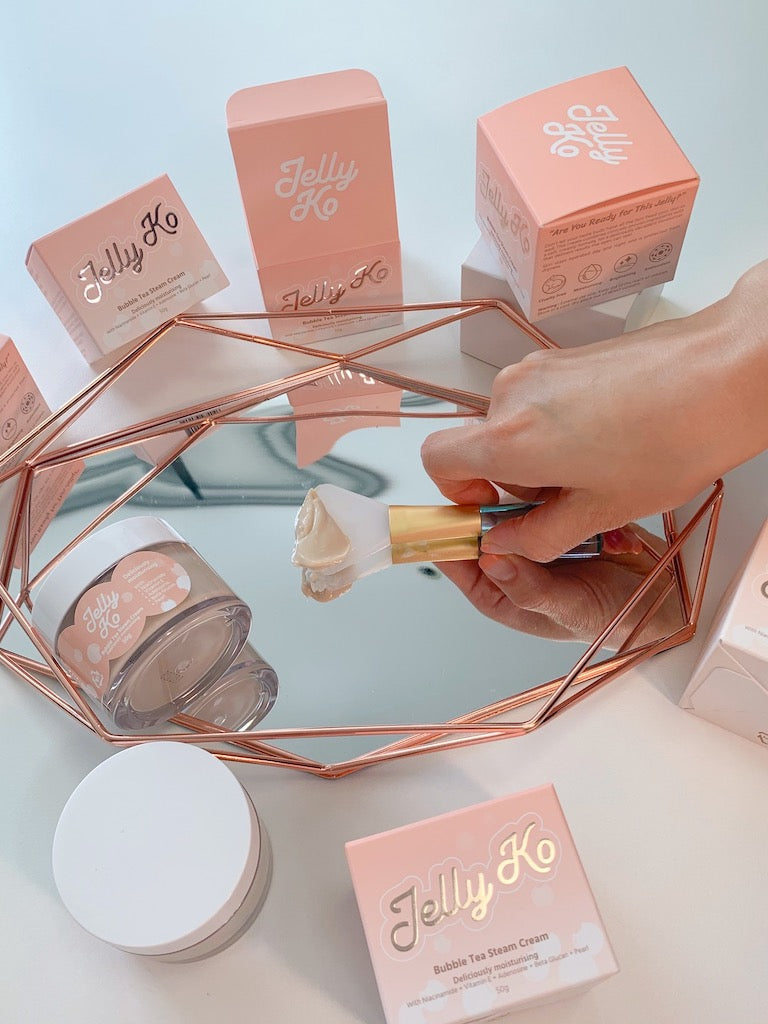
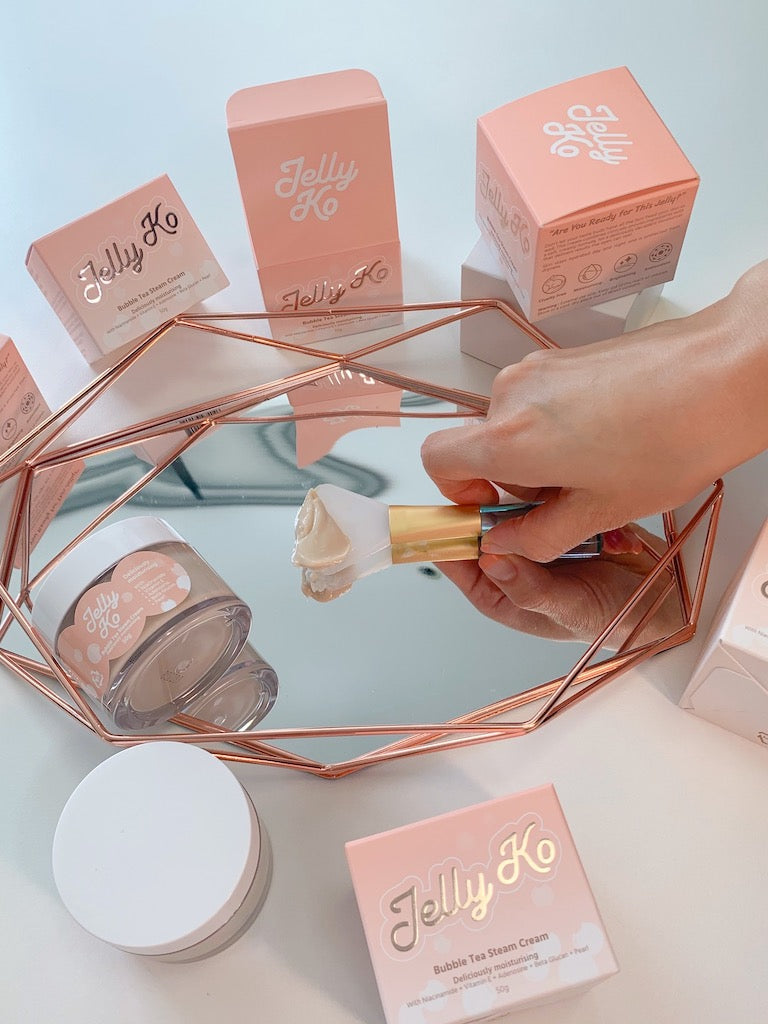
Building a skincare brand in Korea is very different from doing it overseas. For a start, you're not just choosing a manufacturer but navigating lab relationships, supplier relationships (boxes, packaging, components like spatulas or brushes and even transportation and logistics) as well as translating all of that into something that makes sense for your customers overseas.
That translation layer is where most brands fail.
“Korea is where trends are created. But global success comes from knowing which trends to ignore.”

Why This Matters for Brands
A lot of founders come to Korea expecting to “tap into trends" when what they actually need is clarity on what will translate globally, access to the right labs, suppliers and manufacturers, a positioning strategy that works outside Korea and a realistic understanding of timelines, costs and risks
This is exactly where we work with clients at STYLE STORY.
What We Help Brands Do
- Product development aligned with real demand
- Manufacturer, supplier lab sourcing in Korea
- In-market retail and trend immersion
- Competitor and category analysis
- Go-to-market strategy for global expansion
- On-the-ground support for Korea visits and expos
In other words: we bridge the gap between Korea and the rest of the world.
Thinking About Entering K-Beauty?
If you’re exploring Korea for manufacturing, sourcing or strategy, we work directly with brands to navigate the process from the inside.
Explore ConsultancyHear More on The Korean Beauty Show
Lauren Lee explores these shifts in more detail on her podcast, The Korean Beauty Show, where she breaks down platform dynamics, market trends and the evolving structure of the global K-Beauty industry.
Listen to The Korean Beauty ShowPrevious

Korean Beauty’s Blurring Technique


“Korea is where trends are created. But global success comes from knowing which trends to ignore.”
Lauren Lee, K-Beauty Consultant
Leave a comment
Comments will be approved before showing up.