



The Difference between Sleeping Masks and Night Creams


The Difference Between Sleeping Masks and Night Creams
Sleeping masks and night creams are both designed to nourish skin overnight but they're not exactly the same thing. Here’s how to tell which one your skin needs.
It seems every month there is a new buzzword product in the beauty industry - PDRN, exosomes, spicules... we could go on for days.
While the explosion of K-Beauty has created an incredible array of skincare products, new categories often need a little explaining. After all, there’s nothing worse than buying a product you aren’t quite sure how or when to use.
Which brings us to sleeping masks and night creams. If you assumed they were the same thing, then stick around.
Night Cream vs Sleeping Mask
The simple answer? A night cream is your regular evening moisturiser. A sleeping mask is an overnight treatment, designed to be used as the last step in your routine when your skin needs extra care.
What Is A Night Cream?
Your night cream is typically the final step in your evening skincare routine.
Night creams are usually richer than daytime moisturisers and are designed to help replenish moisture while you sleep. They are often used daily, particularly by those with dry, dehydrated, peri-menopausal or mature skin.
If your skin feels tight, rough or uncomfortable by the end of the day, a richer night cream can help lock in hydration and support a softer, more comfortable-looking complexion by morning.
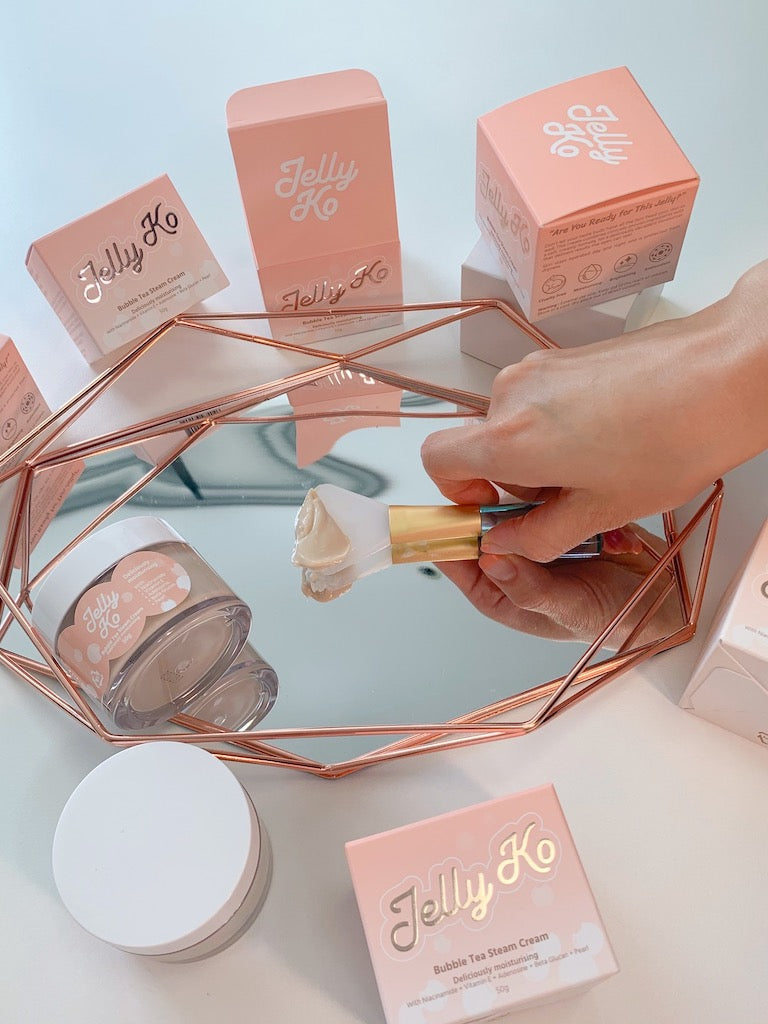
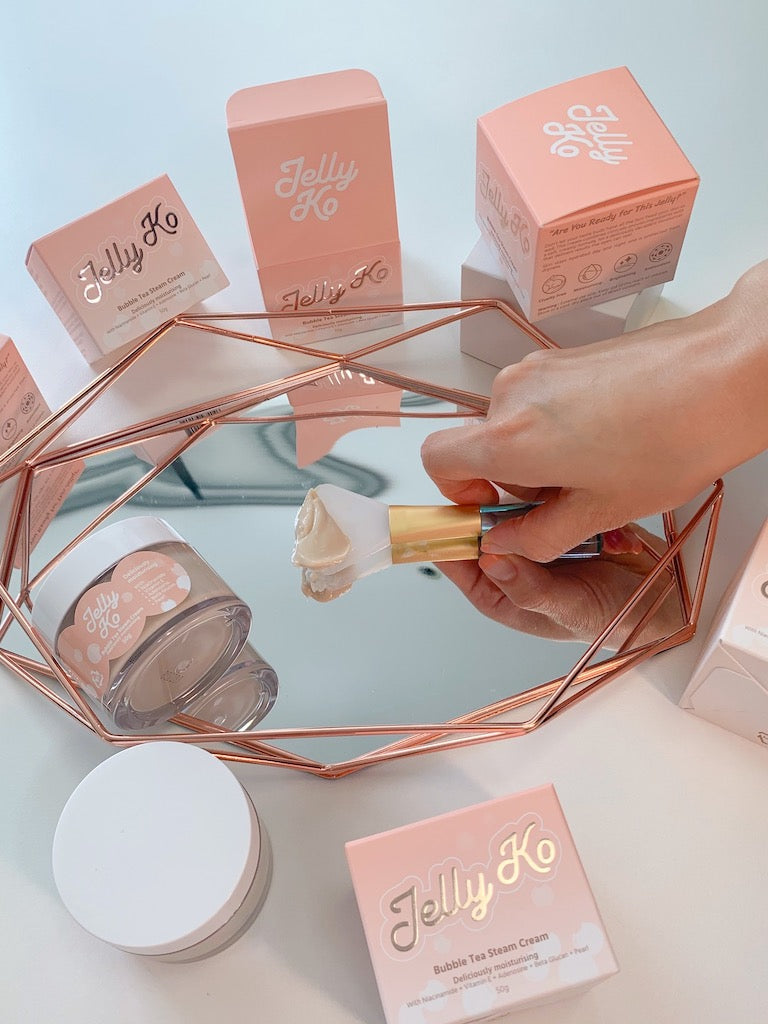
Try Jelly Ko Bubble Tea Steam Cream
Looking for a rich-but-not-greasy night cream? Jelly Ko Bubble Tea Steam Cream is a 3-in-1 oil, serum and moisturiser designed to comfort dry, dull, dehydrated, peri-menopausal and mature skin.
What Is A Sleeping Mask?
In Korea, sleeping masks are often called “sleeping packs”. They are also used as the last step in your night routine, but they tend to function more like an overnight treatment than a traditional moisturiser.
Sleeping masks often have a gel, jelly or lightweight cream texture and are designed to sit comfortably on the skin while you sleep. They usually focus on specific skin goals, such as hydration, barrier support, brightening, soothing or improving the look of dullness.
Unlike a wash-off face mask, you do not rinse a sleeping mask off after 10 minutes. You apply it before bed, leave it on overnight and cleanse as normal in the morning.

Why Use A Sleeping Mask Or Night Cream?
Sleeping masks and night creams work well because they are designed to support your skin while you sleep.
Night is when your skin naturally focuses on recovery and replenishment. A well-formulated overnight product can help reduce moisture loss, support the skin barrier and leave skin feeling softer and more comfortable by morning.
Both sleeping masks and night creams are left on overnight and washed off the next morning as part of your usual morning routine.
So, What’s The Difference?
Night creams are usually designed for daily moisturising and maintenance.
Sleeping masks are usually designed as an overnight treatment step, often used a few times a week or whenever your skin needs extra support.
Texture is another key difference. Night creams are often richer, while sleeping masks can feel lighter, bouncier or more gel-like on the skin.
Who Should Use Sleeping Masks?
Sleeping masks can be used by most skin types, but they are especially useful if your skin feels dry, dull, dehydrated, stressed or affected by seasonal changes.
Once you are in your mid-20s and beyond, you may also want to start adding more supportive overnight products into your routine. This does not mean you need the thickest cream you can find. It simply means your skin may benefit from a little more hydration, barrier support and replenishment overnight.

How Often Should I Use A Sleeping Mask?
You are the best judge of when your skin needs extra support.
As a general rule, a night cream can be used every night, while a sleeping mask can be used 2–3 times a week. That said, many people use sleeping masks more often in winter, after travel, after exposure to air-conditioning or whenever their skin feels tight and thirsty.
If your skin is oily or congestion-prone, start slowly. If your skin is dry or mature, you may find your skin loves the extra overnight cushioning more frequently.
Our Best-Selling Sleeping Mask
Jelly Ko Cherry Blossom Sleeping Mask is our award-winning overnight mask powered by cherry blossom, ectoin, niacinamide, panthenol and sodium hyaluronate. It has a lightweight jelly texture that leaves skin feeling cool, bouncy and beautifully hydrated.
Shop Cherry Blossom Sleeping MaskCan You Use A Night Cream And Sleeping Mask Together?
Yes, depending on your skin type and the textures of the products.
If your skin is very dry, you can apply your night cream first and then layer a sleeping mask on top as your final step. If your skin is normal, combination or oily, you may prefer to use one or the other.
The key is to listen to your skin. If your face feels heavy, sticky or congested in the morning, scale back. If your skin feels soft, calm and comfortable, you have probably found the right balance.
Listen To The Korean Beauty Show
Want more honest K-Beauty advice, ingredient breakdowns and product education?
Tune into The Korean Beauty Show podcast with STYLE STORY founder Lauren Lee for expert insights into Korean skincare, beauty trends and what is really happening inside the K-Beauty industry.
Listen To The PodcastGot Questions About K-Beauty Sleeping Masks?
If you have questions about sleeping masks, night creams or which product is right for your skin, reach out to the STYLE STORY team. We are always here to help you find your style for your skin story.
STYLE STORY - Your Go-To For K-Beauty Since 2014
Previous

Korean Beauty’s Blurring Technique


"Once you're over the age of 25, it's time to start thinking about a night cream or sleeping mask."
- STYLE STORY Kbeauty
Leave a comment
Comments will be approved before showing up.