


K-Beauty’s Structural Shift: Expert Commentary Featured in Jing Daily on Olive Young’s Global Rise


K-Beauty’s China Shift: Expert Commentary Featured in Jing Daily on Platform-Driven Growth
Lauren Lee, Founder of STYLE STORY and Jelly Ko
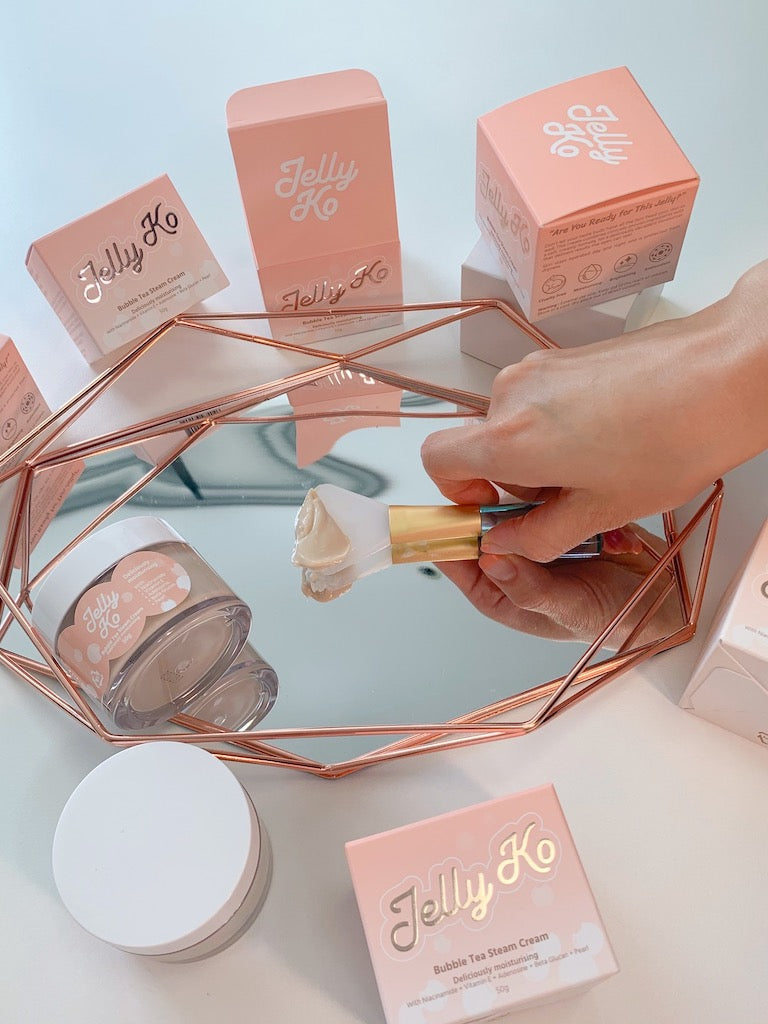
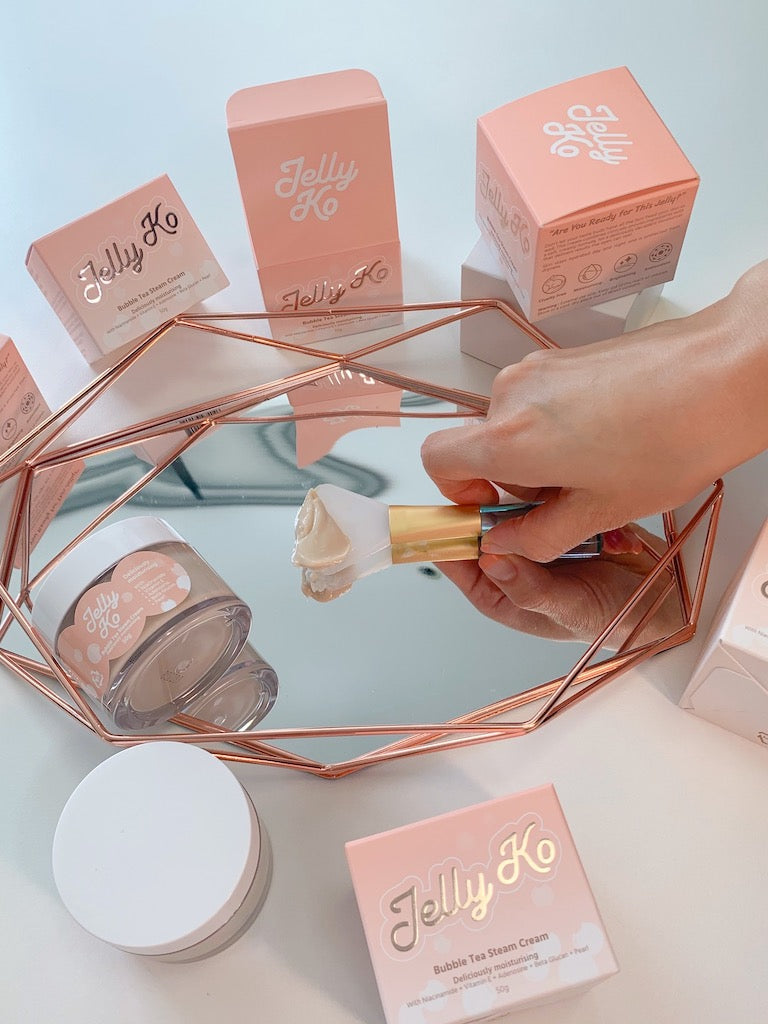
Lauren Lee, founder of STYLE STORY and K-Beauty brand Jelly Ko, was featured in Jing Daily providing expert commentary on how shifting platform dynamics are reshaping the K-Beauty market in China.
The article, “Olive Young Goes Global as Etude House Falters in China”, highlights a key turning point in the industry: while K-Beauty continues to scale globally, its traditional mass-market model is losing relevance in China.
Rather than legacy brand recognition driving growth, demand is increasingly shaped by platform ecosystems, content and new consumer behaviours.

A Market Moving Beyond Legacy Brands
As outlined in the article, legacy K-Beauty brands such as Etude are struggling to maintain relevance in China, particularly within the mid-priced segment where competition has intensified significantly.
At the same time, newer brands designed for platforms like Douyin are gaining traction through speed, localisation and content-driven distribution models.
Platform Dynamics Are Reshaping Demand
Lee’s commentary in the piece focuses on a fundamental shift in how demand is created:
“Tmall is intent-led commerce. Consumers arrive with a shopping mission. Douyin is discovery-led; demand is created through short video, livestream and creators.”
This distinction highlights why traditional ecommerce strategies are becoming less effective in China, particularly for legacy brands built around search and shelf-based retail models.

Built for Content, Not Shelf
The article further examines how successful K-Beauty brands in China are structurally different from earlier generations.
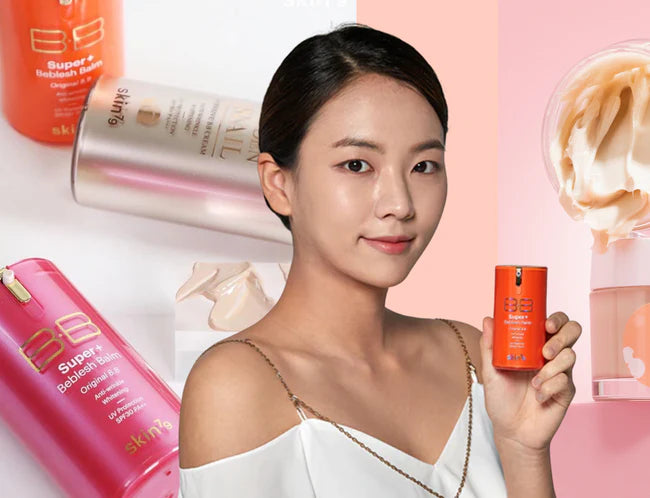
“The Korean brands that perform well on Douyin tend to be hero-SKU driven and built for fast testing… They are designed to demonstrate clearly on screen, not to sit on a physical shelf.”
This reflects a shift towards products and brands optimised for visual storytelling, rapid iteration and real-time feedback loops.
“You’re not seeing the same brands simply move from Tmall to Douyin… You’re seeing different brands, with different products and different operating models.”

A Structural Reset in K-Beauty
Together, these shifts point to a broader reset in how K-Beauty operates within China.
Success is no longer determined by brand origin or legacy positioning, but by how effectively brands align with platform-native behaviours, content ecosystems and evolving consumer expectations.
While K-Beauty continues to expand globally, China is increasingly acting as a filter — favouring brands that are built for speed, clarity and platform-driven discovery.
Hear More on The Korean Beauty Show
Lauren Lee explores these shifts in more detail on her podcast, The Korean Beauty Show, where she breaks down platform dynamics, market trends and the evolving structure of the global K-Beauty industry.
Listen to The Korean Beauty ShowSource : Jing Daily — “Olive Young Goes Global as Etude House Falters in China”
Previous

Korean Beauty’s Blurring Technique


“The Korean brands that perform well on Douyin tend to be hero-SKU driven and built for fast testing”
- Lauren Lee in Jing Daily
Leave a comment
Comments will be approved before showing up.