


Australia Just Made Importing Retinal Skincare Significantly Harder


Australian Cosmetic Compliance
🚨 Australia Just Made Importing Retinal Skincare Significantly Harder
Here’s what every beauty importer needs to know.
On 26 June 2026, the Australian Industrial Chemicals Introduction Scheme (the “AICIS”) published its evaluation of retinal, also known as retinaldehyde.
AICIS concluded that retinal meets the criteria for classification as:
Reproductive Toxicity Category 1B - H360D: May damage the unborn child.
The assessment’s conclusion is largely based on retinal’s position in the retinoid metabolic pathway. Retinal is converted into retinoic acid, a well-established teratogen, and is the immediate precursor to retinoic acid. AICIS therefore considers it likely to be more potent than retinol or retinyl esters.
Importantly, the finding is not that cosmetic retinal products cause known birth defects in humans. In fact, the report acknowledges that retinal-specific data are limited and that available human studies on low-concentration topical retinoids have not demonstrated a significant increase in congenital malformations.
It is also important to distinguish hazard from risk. This evaluation considered whether retinal has an inherent developmental toxicity hazard. It did not determine that every cosmetic product containing retinal presents an unacceptable risk at its particular concentration or pattern of use.
What Importers Need to Know
Regulatory Consequences
However, the regulatory consequences are substantial.
Retinal can no longer be introduced into Australia under the Exempted or Reported categories for consumer products, including cosmetics.
Future introduction may still be possible, but an importer or manufacturer would need to obtain an Assessment Certificate, allowing AICIS to assess the actual exposure, proposed use and risk-management measures.
That means additional government fees, technical documentation, regulatory advice and potentially supporting data before the ingredient can legally be introduced into Australia.
For smaller brands and importers, this is likely to make commercialisation significantly more challenging and may make some retinal products commercially unviable.
How Much Does an AICIS Assessment Cost?
As of the 2026–27 AICIS fee schedule:
Based on the hazard classification, I would expect a retinal application to require at least a Health Focus Assessment, rather than the cheaper “very low to low risk” pathway.
The AICIS retinal evaluation does not explicitly state which assessment type would apply, but it makes clear that an Assessment Certificate is now required for consumer cosmetic uses.
Beyond Government Fees
The Real-World Cost of This Decision
The government fee is only part of the expense. Most brands also need to prepare a technical dossier, gather toxicology data and often engage a regulatory consultant.
A realistic starting budget could easily exceed AUD $45,000.
This includes government fees, regulatory advice and preparation of the technical dossier.
- Government fee: approximately AUD $34,760 for a Health Focus Assessment
- Regulatory consultant: approximately AUD $10,000–30,000+
- Additional studies or data acquisition: potentially tens of thousands more, if required
K-Beauty and Asian Beauty IMPORTS
The Potential Impact on Asian Beauty Products
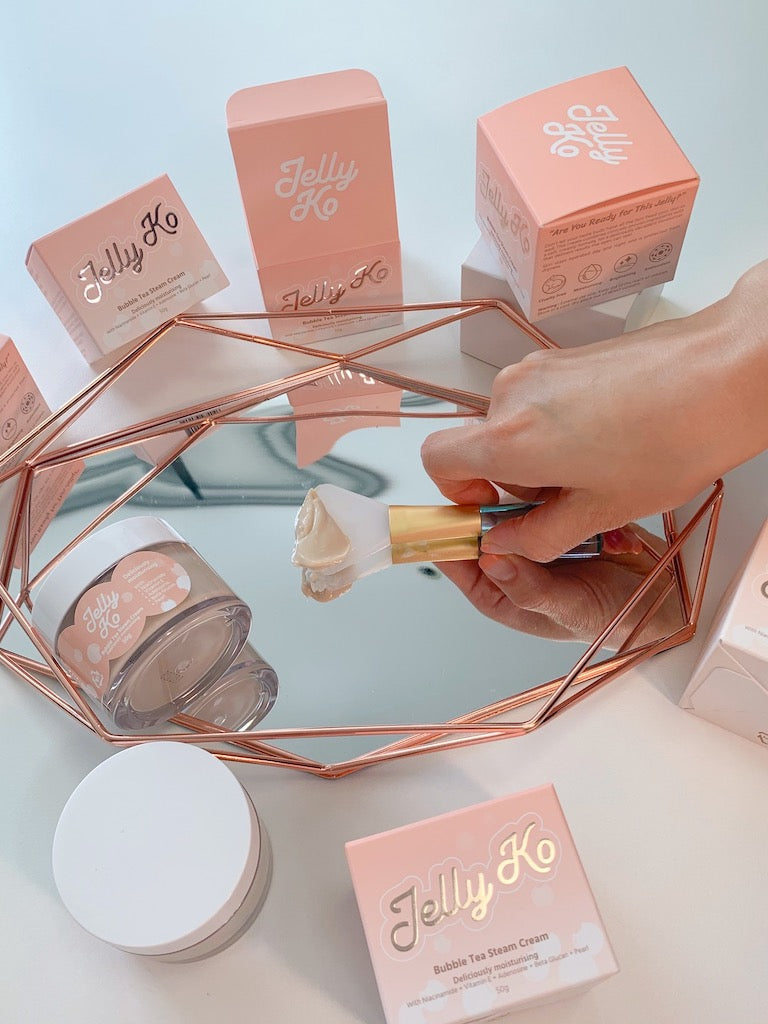
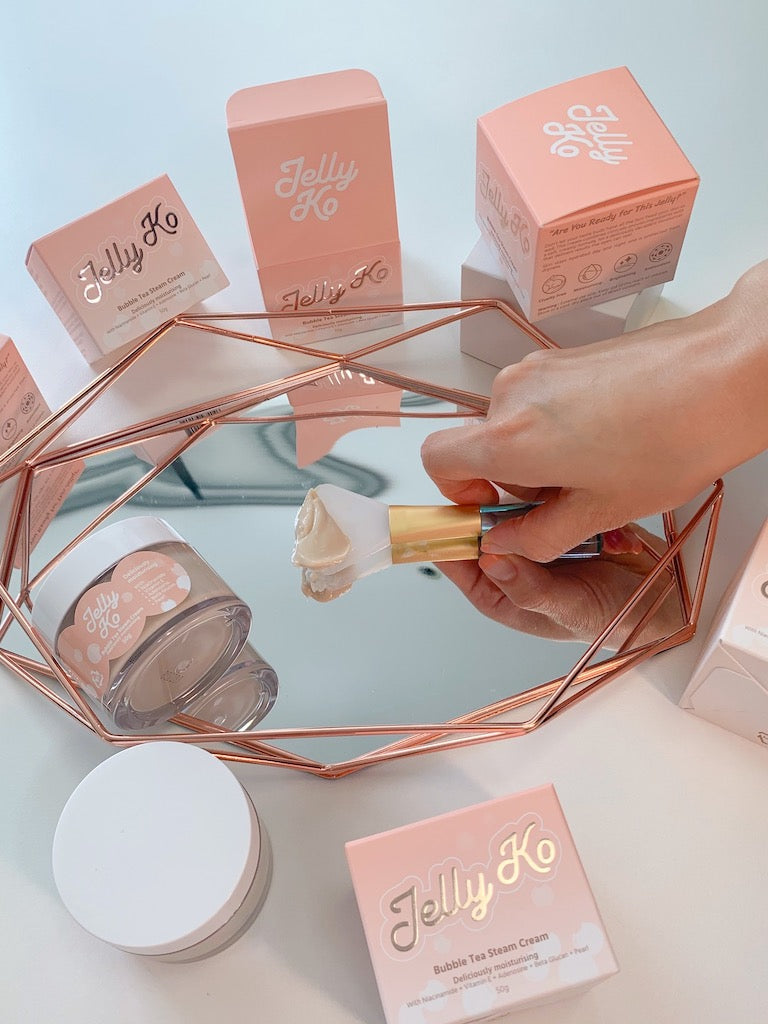
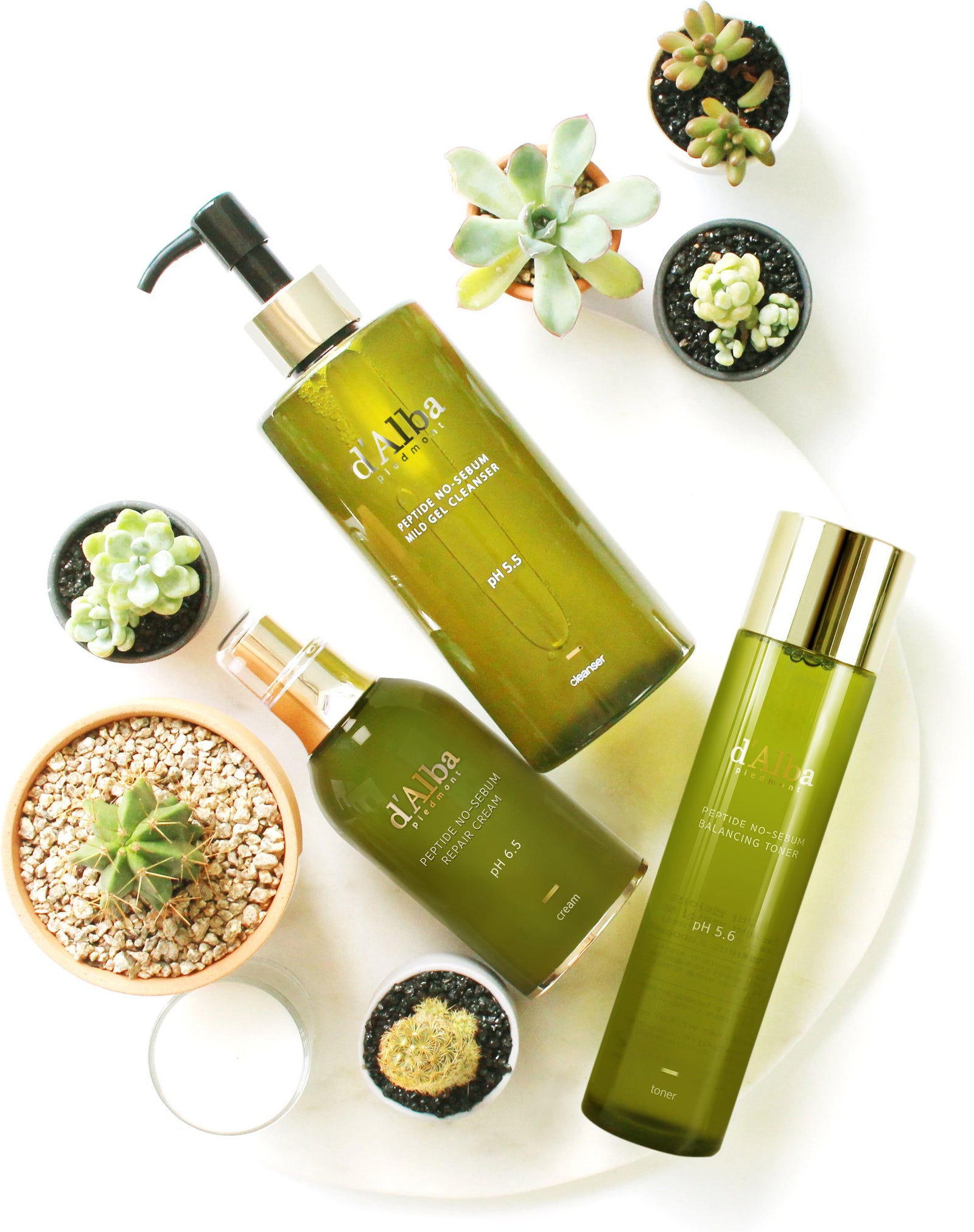
These changes are particularly relevant for the beauty sector because retinal has become increasingly common in Asian skincare, including Korean and Japanese anti-ageing products.
This decision has the potential to affect a significant number of Asian beauty products introduced into Australia, particularly where the Australian importer has relied on the lower-burden Exempted or Reported pathways.
What importers should do now
- Check the full ingredient list for every product.
- Confirm whether the product contains retinal, retinol or another retinoid.
- Review the AICIS introduction category currently being relied upon.
- Resolve any compliance issues before placing further orders.
Importantly, this ruling does not make retinal illegal in Australia.
But it does significantly raise the regulatory barrier to entry, particularly for smaller cosmetic brands and importers, many of whom may struggle to justify the cost of an Assessment Certificate.
Need Help?
Review Your Australian Cosmetic Compliance Strategy
At STYLE STORY, we help brands and importers navigate the practical realities of bringing cosmetics into Australia, including ingredient compliance, product positioning and regulatory strategy.
If you import retinal skincare, or are planning to launch one in Australia, now is the time to review your products and introduction pathway.
Contact STYLE STORY Explore Our Consulting ServicesSources
This article is based on the AICIS retinal evaluation statement, guidance for businesses importing or manufacturing industrial chemicals in Australia, and the AICIS 2026–27 fee schedule.
Disclaimer: This article provides general information only and does not constitute legal or regulatory advice. The assessment pathway and applicable costs will depend on the circumstances of the individual introduction.
Previous


Korean Beauty’s Blurring Technique


"Retinal can no longer be introduced into Australia under the Exempted or Reported categories for consumer products, including cosmetics."
Lauren Lee, Australian Lawyer & Industry Consultant
Leave a comment
Comments will be approved before showing up.